Published: April 7, 2026
Last updated: April 7, 2026
Clinical review: Doko MD Clinical Review Team
A CGM monitoring program is valuable because continuous glucose monitoring only helps when patients can actually use the data well. Many adults wear a sensor and still feel unsure about what the graphs mean, what time in range really shows, or what should change when numbers are consistently high after meals or overnight. This page is built for people searching for a continuous glucose monitoring program or trying to understand how CGM diabetes monitoring fits into type 2 diabetes care.
What a Continuous Glucose Monitoring Program Does
A CGM program turns glucose readings into a care process. That usually means helping patients start the device, learn what the trends mean, review highs and lows over time, and connect the data to food, activity, medication timing, and A1C goals. Without that support, patients often collect data without gaining much clarity.
Why Patients Need More Than a Device
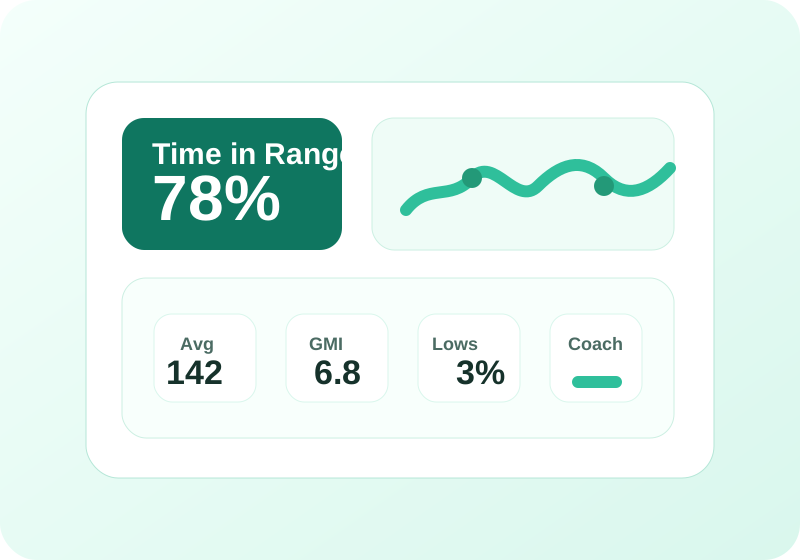
CGM systems can show current glucose, trend arrows, overnight patterns, after-meal spikes, and time in range. But those measurements only become useful when patients understand what actions to take. A program adds the missing step: interpretation. It helps patients decide whether a pattern is occasional, whether it is clinically important, and what kind of change may actually improve control.
- Device onboarding: Help with sensor setup, app review, and practical first steps.
- Trend interpretation: Review highs, lows, time in range, and recurring patterns.
- Routine adjustment: Connect meal timing, sleep, activity, and medication habits to glucose changes.
- Treatment review: Use CGM insight to support medication and follow-up decisions.
- Long-term progress: Keep daily glucose data connected to A1C goals and risk reduction.
How CGM Monitoring Helps Type 2 Diabetes
For adults with type 2 diabetes, CGM monitoring can highlight patterns that are easy to miss with occasional meter checks. Many patients discover that their biggest issue is after dinner, overnight, or first thing in the morning. Others learn that stress, sleep disruption, or certain routine foods are driving more of the problem than expected. That kind of pattern review can make treatment conversations much more precise.
Who Should Consider a CGM Program
A CGM monitoring program is especially relevant for patients with unpredictable highs and lows, rising A1C, insulin use, medication changes, or strong interest in more data-driven diabetes management. It can also help adults who are new to CGM and want a more structured process instead of trying to interpret everything alone.
What Patients Often Want to Improve
Patients usually join a CGM program because they want to improve time in range, reduce glucose swings, understand fasting highs, review post-meal spikes, or feel more confident about what daily readings mean. In many cases, the main value is not the device itself, but the ability to use it to make smarter, more consistent decisions.
What Patients Should Track in the First 30 Days
During the first month of CGM use, the most useful focus is usually not every number but the repeated patterns. Patients often get the most value by tracking fasting trends, after-meal spikes, overnight changes, time in range, and the meals or routines that seem to shift the graph most. That approach makes the first month more actionable and less overwhelming.
How CGM Data Supports Medication Review
Medication questions become much clearer when clinicians can see whether glucose is staying high all day, rising mostly after meals, or dropping overnight. CGM monitoring helps connect treatment decisions to what is actually happening rather than what patients remember from a few isolated checks. That is one reason CGM programs are especially useful when treatment changes are being considered.
Frequently Asked Questions
A CGM monitoring program combines device use, glucose trend interpretation, and follow-up support so patients can use continuous glucose monitoring more effectively.
CGM can help lower A1C when patients and clinicians use trend data to adjust daily routines, medications, and follow-up decisions over time.
Patients with unstable glucose, rising A1C, insulin use, or repeated questions about trends often benefit most from structured CGM monitoring and support.
Related Services
Related Reading
How CGM Helps Lower A1C in Type 2 Diabetes, What Is Time in Range and Why Does It Matter?, and Blood Sugar Chart: Target Ranges for Adults With Diabetes are strong next steps for readers who want to understand how daily glucose data connects to longer-term results.
Medical Reference Points
- ADA Standards of Care support continuous glucose monitoring for many patients with diabetes when ongoing data review can improve management.
- Consensus CGM guidance emphasizes trend interpretation, time in range, and patient education as core parts of stronger glucose data use.