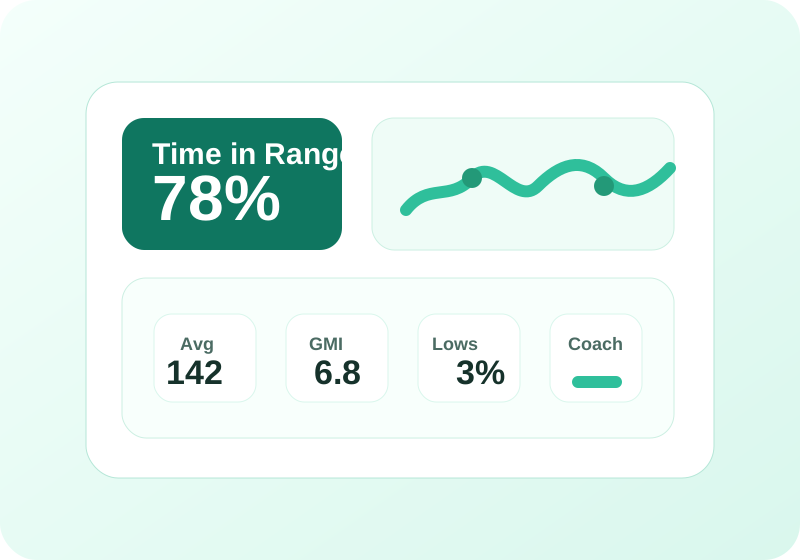
See Patterns Faster
Continuous data gives patients a clearer picture of what is actually affecting daily glucose swings.
Continuous glucose monitoring gives patients and clinicians a clearer view of daily trends, which can lead to better decisions and stronger long-term glucose control.
Explore CGM Coaching
Published: April 2, 2026
Last updated: April 6, 2026
Author: Doko MD Education Team
Clinical review: Doko MD Clinical Review Team
One of the biggest benefits of continuous glucose monitoring is visibility. Instead of seeing only isolated glucose readings, patients can follow how meals, activity, stress, and sleep affect blood sugar over time. That makes it easier to identify patterns and adjust routines before those trends push A1C higher.
CGM allows patients to see when glucose is rising quickly, staying high after meals, or dropping overnight. Those patterns are often difficult to spot with occasional finger-stick checks alone. Over time, better pattern recognition can support better food choices, more informed exercise timing, and smarter treatment adjustments.
CGM data is most useful when patients know how to interpret it. That is where coaching matters. A coach or diabetes-focused care team can help you connect the graph to daily behavior, medication timing, and practical routine changes that improve time in range.
Patients often focus only on the current glucose number, but the bigger picture usually matters more. Time in range, overnight stability, recurring post-meal spikes, and frequent lows can all influence what clinicians recommend. These patterns also help explain why A1C may stay elevated even when occasional spot checks look acceptable.
CGM is particularly useful between appointments because it shortens the feedback loop. Instead of waiting months for the next A1C result, patients can review trends after meals, activity changes, or medication timing adjustments and see whether those changes are helping. That creates more opportunities to correct problems early.
This slider reinforces how trend visibility, coaching, and A1C planning connect in practice.
Continuous data gives patients a clearer picture of what is actually affecting daily glucose swings.
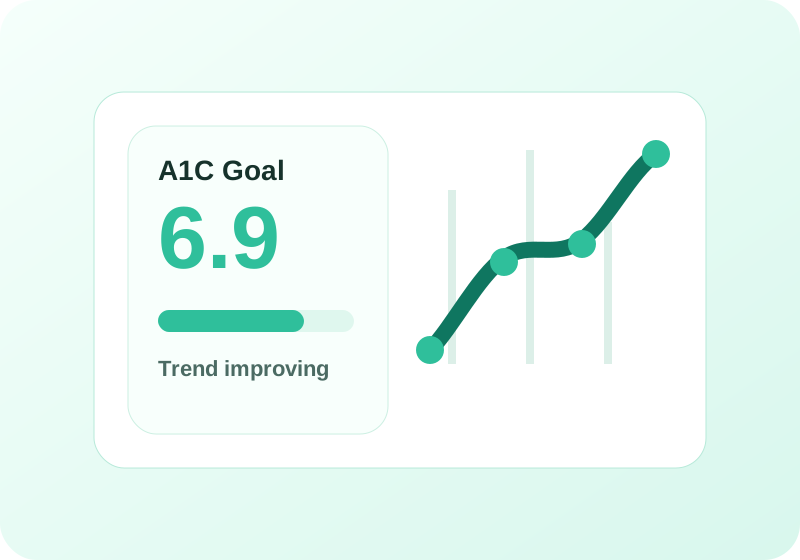
Patients often improve long-term control when short-term patterns become easier to spot.
Coaching turns numbers into practical actions, not just more information.