Published: April 7, 2026
Last updated: April 7, 2026
Author: Doko MD Education Team
Clinical review: Doko MD Clinical Review Team
A blood sugar chart helps patients understand whether glucose is in range before meals, after meals, or first thing in the morning. The important point is that one number does not mean the same thing in every context. A fasting reading, a post-meal reading, and a bedtime reading all need to be interpreted differently.
Why Blood Sugar Charts Matter
Charts give patients a reference point so they can see whether repeated readings are on target, trending high, or dropping too low. That makes it easier to notice patterns and decide whether the current routine or treatment plan needs review.
Common Glucose Times Patients Track
- Fasting blood sugar: The reading after waking and before eating.
- Before meals: A useful checkpoint for day-to-day treatment fit.
- After meals: Often where hidden spikes show up.
- Bedtime: Helps patients understand overnight risk and stability.
How Charts Should Be Used
Charts are best used to spot repeated patterns, not to react to every single number in isolation. If readings are consistently high at the same time of day, that is usually more meaningful than one unusual result. Patients often benefit from recording the timing, the meal, and the medication schedule alongside the number.
How to Use a Chart With CGM or Meter Data
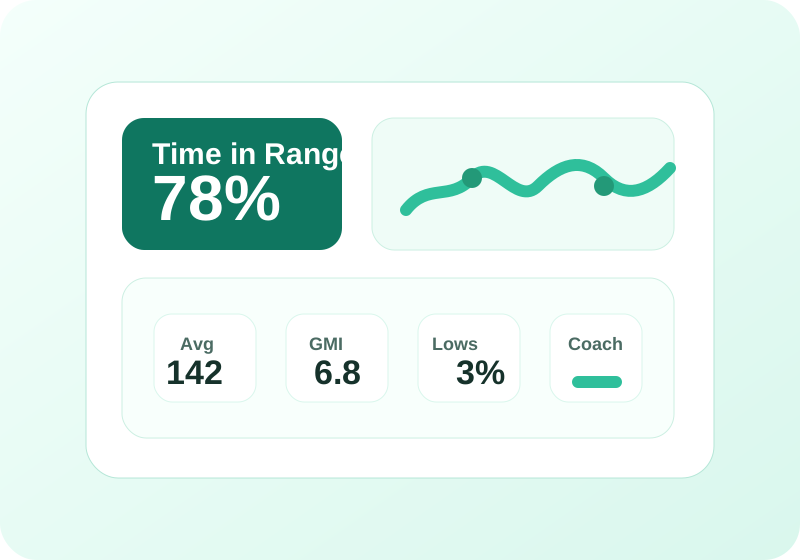
A chart becomes more useful when patients compare target ranges with real-life data over several days. Meter checks can show whether fasting or post-meal numbers are trending high. CGM adds more detail by showing how long readings stay above range, how quickly they rise, and whether overnight patterns are stable. The chart gives the reference point, while the data shows where the pattern is drifting away from that target.
Common Blood Sugar Chart Mistakes
The most common mistake is assuming every number should be interpreted the same way. A reading after breakfast should not be judged by fasting criteria. Another mistake is focusing on a single high result instead of a repeated pattern. Some patients also miss the value of context, such as meal timing, illness, stress, sleep disruption, or medication timing. A chart works best as a pattern tool, not as a source of panic over isolated numbers.
When a Chart Is Not Enough
A chart gives targets, but it does not explain why glucose is rising or what treatment changes may help. That is where CGM, medication review, and follow-up become more useful than numbers alone.
Frequently Asked Questions
Fasting readings are interpreted before eating, while post-meal readings are judged after food intake. The target range depends on that timing.
One isolated number is usually less important than a repeated pattern at the same time of day or under the same conditions.
Follow-up becomes more important when readings are repeatedly above target, lows are happening often, or the pattern is changing without a clear reason.
Related Pages
Medical Reference Points
- American Diabetes Association Standards of Care outline glucose targets and emphasize interpreting readings in clinical context.
- CDC diabetes education materials encourage patients to track and review blood sugar trends rather than relying on isolated numbers alone.