CGM vs. Glucometer: Which Blood Sugar Monitoring Tool Is Right for You?

Monitoring blood sugar is one of the most important parts of diabetes management. Whether you’re newly diagnosed or have been managing diabetes for years, choosing the right monitoring tool can make a major difference in your daily control and long-term health. Today, two primary options exist: the traditional glucometer (fingerstick test) and the more advanced Continuous Glucose Monitor (CGM).

Both tools have strengths, and the “best” choice depends on your lifestyle, health goals, and insurance coverage. This guide breaks down the differences to help you decide which device is right for you — and how telehealth services like Doko MD can help you get what you need.


What Is a Glucometer?

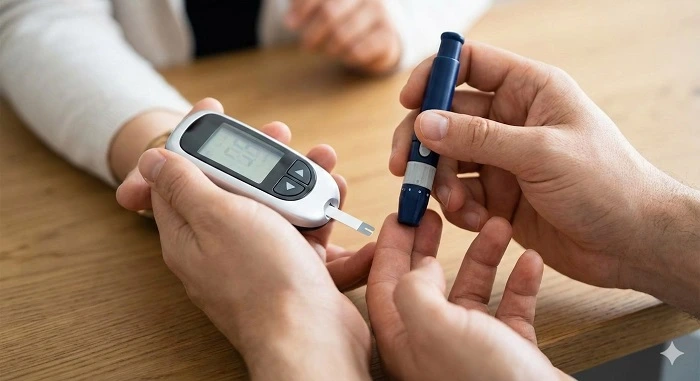
A glucometer is the classic blood sugar testing device used by millions of people with diabetes. It measures glucose using a small drop of blood placed on a test strip. Results appear within seconds.

Pros of a Glucometer

     Affordable and widely covered by insurance

     Accurate for single readings

     Easy to carry and use

     Ideal for patients who test only a few times per day

Cons of a Glucometer

     Requires finger pricking multiple times a day

     Does not provide trend data

     Only shows what your blood sugar is at a single moment

     Easy to forget or skip tests

Glucometers work well for many diabetic patients, but they require consistency — and that’s where many people struggle.


What Is a Continuous Glucose Monitor (CGM)?

A CGM is a small sensor worn on the skin (typically abdomen or arm) that continuously measures glucose levels 24/7. Brands like Freestyle Libre and Dexcom automatically track glucose and send readings to a smartphone.

Pros of a CGM

     Continuous, real-time glucose data

     Shows trends: rising, falling, or stable

     Reduces the need for fingersticks

     Sends alerts for high or low blood sugar

     Makes it easier to adjust diet, medication, and activity

     Helps reduce A1C through better insights

Cons of a CGM

     Higher cost without insurance

     Some patients experience mild skin irritation

     Sensors must be replaced every 10–14 days

     Requires a smartphone or reader

For patients who need tighter glucose control — especially those with Type 1 or insulin-dependent Type 2 diabetes — CGMs can be life-changing.


CGM vs. Glucometer: A Side-by-Side Comparison

Feature

Glucometer

CGM

How often you test

1–6 times per day

24/7 automatic

Fingersticks

Required

Minimal or none

Trend data

No

Yes

Low/high alerts

No

Yes

Cost

Low

Moderate–High

Convenience

Easy, but manual

Extremely convenient

Accuracy

High for single readings

High for continuous tracking


Which Tool Is Right for You?

Choose a Glucometer if:

     You are managing diabetes with diet or one daily medication

     You check blood sugar only 1–2 times per day

     You prefer a low-cost option

     You don’t mind fingersticks

Choose a CGM if:

     You use insulin (especially multiple daily injections)

     Your blood sugar fluctuates often

     You want real-time alerts

     You need better A1C control

     You want insights into how meals, stress, or sleep affect glucose

Most patients who switch to a CGM report feeling more confident, safer, and more in control of their diabetes.


How Doko MD Helps You Get the Right Device

Choosing between a CGM and a glucometer can be confusing — but you don’t have to decide alone. With Doko MD, diabetic patients can receive:

     Fast virtual visits

     Prescription support for CGMs or glucometers

     Assistance with insurance coverage

     Delivery of supplies when available

     Ongoing follow-up to help improve A1C and daily glucose control

Many patients qualify for a CGM through insurance, and Doko MD can guide you through the process step-by-step.


The Bottom Line

Both glucometers and CGMs are effective tools for monitoring diabetes, but they serve different lifestyles and needs. A glucometer is simple and affordable, while a CGM offers advanced insights that help many patients achieve better control and lower A1C levels.

If you want help choosing the best monitoring device — or need a prescription for a CGM — Doko MD is here to make the process fast, simple, and convenient.